
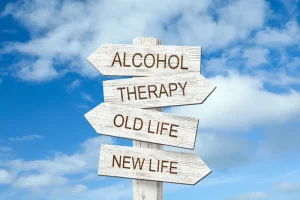
Taking care of yourself isn’t just a nice bonus in recovery—it’s absolutely essential. When we neglect our basic needs, we create the perfect conditions for cravings to take hold and relapse to occur. Addiction recovery strategies like trigger identification and relapse prevention planning aren’t about perfection – they’re about progress and preparation. Even the strongest cravings eventually pass, and having a plan gives you the confidence to ride them out. For more comprehensive strategies to stay on track with your recovery journey, check out our detailed guide on tips to prevent addiction relapse.
For patients
- ‘What step do you think you might be able to take to move forward?
- This period often brings the most dramatic changes but also significant challenges as you learn to steer life without substances.
- Setting healthy boundaries with others protects your recovery journey.
- Synthetic cannabinoids, also called K2 or Spice, are sprayed on dried herbs and then smoked, but can be prepared as an herbal tea.
- Such e-health tools have been shown to help people overcome alcohol problems.
They can be adapted to fit your unique situation, preferences, and challenges. Whether you’re just beginning your recovery journey or working to maintain long-term sobriety, these evidence-based approaches provide a roadmap to lasting change. Whether you’re struggling how to help with addiction with substances or behaviors, understanding that addiction is a brain disorder—not a personal failure—is the first step toward healing. MAT combines FDA-approved medications like Suboxone with therapy to reduce cravings, prevent relapse, and support recovery.
About Medical News Today
Such expectations also let the loved one know they are welcome when standards are met. Talk to your healthcare professional about tobacco cessation products that will help you in the long term. Together you can explore which products might be right for you Halfway house and when to start taking them. With a counselor, you practice skills you need to give up tobacco for good. The more time you spend with a counselor, the better your treatment results might be.
Does relapse to drug use mean treatment has failed?

To avoid relapse and remain sober, it’s important to develop healthy relationships. Some of the immediate changes you will need to make will be obvious—like not hanging around the people that you used with or obtained drugs from. After all, you can’t hang around your drug dealer or old drinking buddies and expect to remain sober for very long.
- Seeking help isn’t a sign of weakness – it’s a brave step toward reclaiming your life and health.
- Professional assessment helps identify your specific needs, strengths, and challenges rather than applying a one-size-fits-all approach.
- GD is a diagnosable condition that may lead to financial loss, bankruptcy, family conflict and more.
- Scientific research on peer support consistently shows they significantly improve outcomes, particularly when combined with professional treatment.
It may also help to discuss the consequences that could ensue if the person’s behavior continues. Find a time when you can be alone together and free of distractions or interruptions. Tell them that you’re concerned about their behavior and ask if they’re open to hearing your thoughts. Try to use non-blaming language and avoid raising your voice or getting angry.
- It’s like having a roadmap for your journey rather than wandering without direction.
- For people seeking insurance through HealthCare.gov, SUD treatment must be covered, and they’re protected against discriminatory insurance practices.
- Surround yourself with people who support your sobriety, not those who tempt you to slip back into old, destructive habits.