
Understanding gambling addictions A guide to recognizing the signs and seeking help
What is Gambling Addiction?
Gambling addiction, also known as compulsive gambling or pathological gambling, is a behavioral disorder that affects individuals’ ability to control their gambling impulses. It can lead to severe financial, emotional, and relational consequences. Unlike casual gambling, where individuals may enjoy the activity responsibly, those with a gambling addiction often find themselves chasing losses and unable to stop, despite negative repercussions. Engaging in activities like a sweeps casino can further complicate matters, making it difficult for individuals to recognize the extent of their addiction.
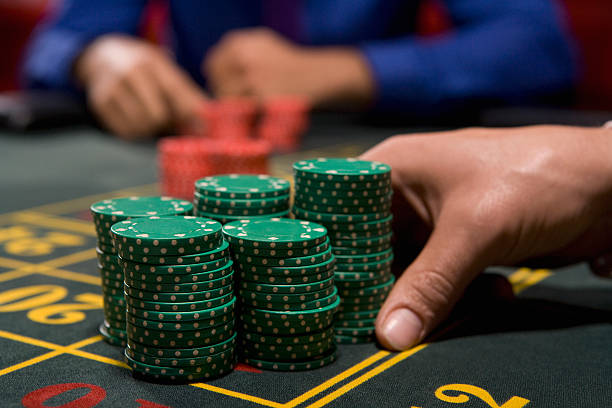
This condition can develop gradually, often starting with harmless betting that evolves into a more serious problem. Understanding this addiction is crucial for recognizing its signs and seeking timely help, particularly because it can affect anyone, regardless of age or background.
Recognizing the Signs of Gambling Addiction
Identifying gambling addiction can be challenging, especially for the individual experiencing it. Common signs include preoccupation with gambling, needing to gamble with increasing amounts of money to achieve the desired thrill, and experiencing withdrawal symptoms when trying to cut back. Additionally, many individuals may lie about their gambling habits or steal to fund their addiction, which can severely impact their personal relationships.
Other signs include neglecting responsibilities at work, school, or home due to gambling activities. It’s important to remain vigilant for these signs, both for oneself and for loved ones, as recognizing them early can lead to more effective intervention and support.
The Emotional and Financial Impact
The emotional toll of gambling addiction can be devastating. Many individuals experience feelings of guilt, anxiety, and depression as a result of their gambling habits. They may find it difficult to maintain healthy relationships, leading to isolation and further emotional distress. The stigma surrounding gambling addictions can also prevent individuals from seeking the help they need, as they may fear judgment from others.
Financially, gambling addiction can lead to severe consequences, including bankruptcy, loss of property, and a significant decline in one’s quality of life. The relentless cycle of chasing losses can trap individuals in a vicious cycle, often causing them to borrow money from friends or financial institutions, exacerbating their situation even further.
Seeking Help for Gambling Addiction
Addressing gambling addiction requires a multifaceted approach that often begins with acknowledging the problem. Seeking professional help can be a vital step in recovery. Therapists who specialize in gambling addiction can provide counseling and support tailored to the individual’s needs, helping them to develop coping strategies and regain control over their lives.
Support groups, such as Gamblers Anonymous, can also be instrumental in recovery. These groups offer a safe space for individuals to share their experiences and connect with others facing similar challenges, creating a community of support that can be incredibly beneficial in overcoming the addiction.

Resources for Support and Recovery
There are numerous resources available for individuals seeking help with gambling addiction. Online platforms and community centers often provide information on local support groups, counseling services, and educational materials. Websites dedicated to gambling addiction awareness also offer valuable resources, including self-assessment tools, advice, and access to professional treatment options.
By utilizing these resources and reaching out for help, individuals can embark on a path to recovery, ultimately leading to a healthier and more fulfilling life. Remember, recognizing the addiction is the first step toward healing, and there is always support available for those who seek it.